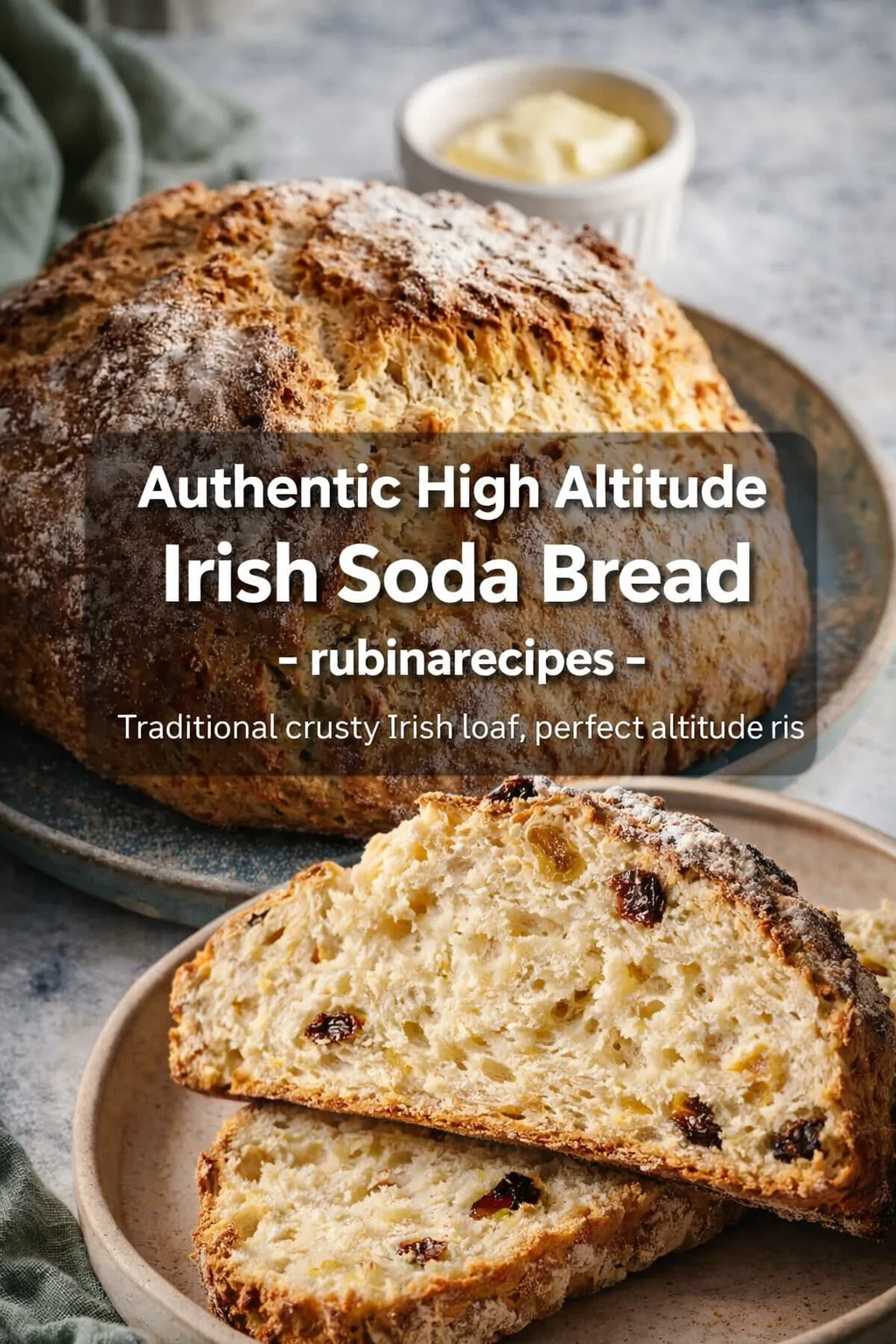
Authentic High Altitude Irish Soda Bread – rubinarecipes

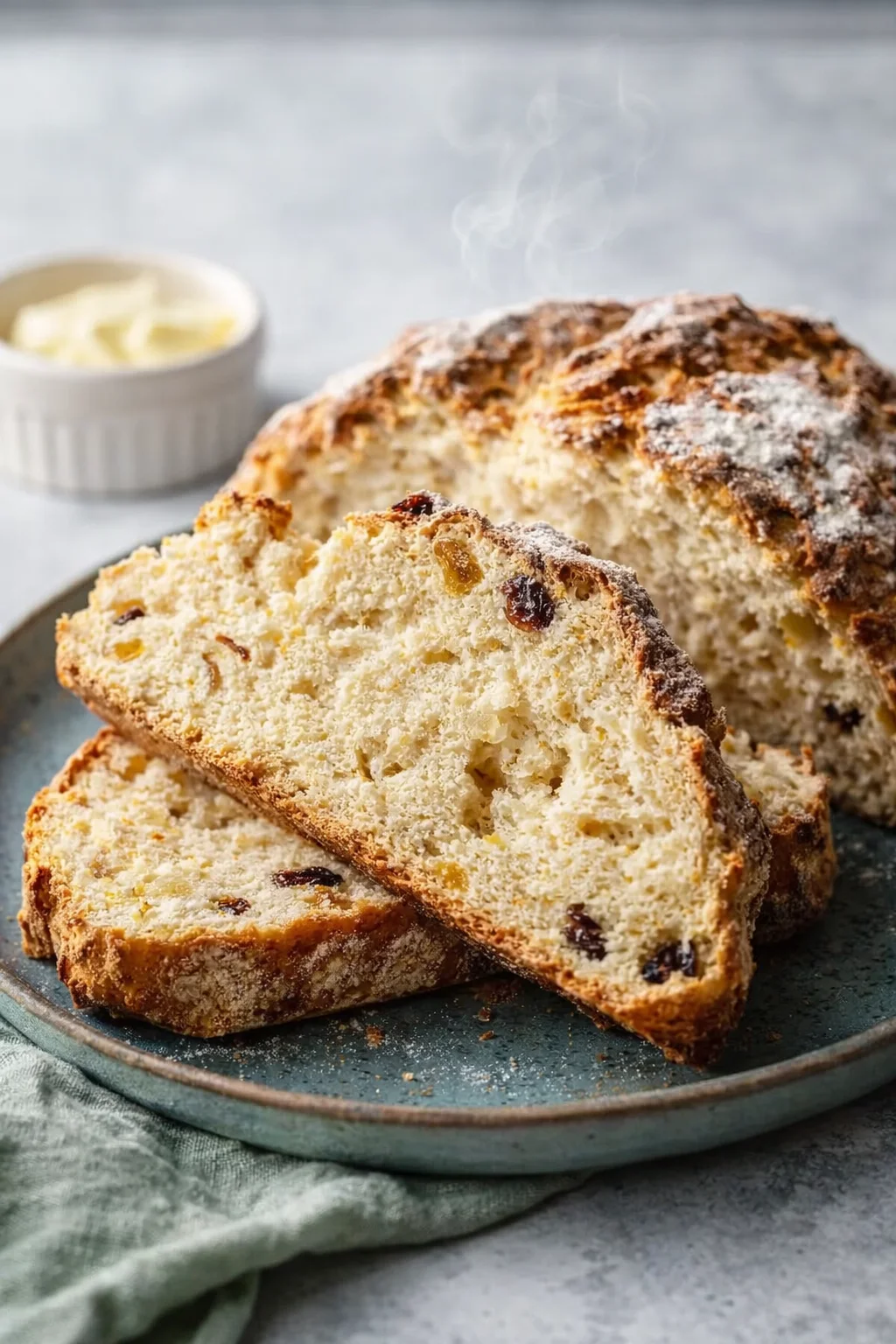
Baking at high altitude calls for some tweaks — recipes made for sea level often end up spreading too much, drying out, or not rising like they should. This Irish soda bread has been adapted just right for altitudes over 5,000 feet, so you’ll get a tender, reliable loaf without all the usual mountain baking headaches.
This quick, no-yeast soda bread is dotted with dried apricots and a hint of warm nutmeg. It uses buttermilk and baking soda for that perfect lift, plus cold butter for flaky, buttery pockets. The recipe makes about 10 slices and takes roughly 90–130 minutes from start to finish, but only about 15–30 minutes is active hands-on time.
The steps are clear and easy, perfect for beginners, and packed with high-altitude tips — precise flour measuring, gentle mixing, scoring the top just right, checking for a 195°F internal temp, then letting the bread cool for 30–45 minutes before slicing. Plus, you’ll find substitution ideas and storage tips so you can customize and enjoy your soda bread anytime.
Why This Recipe Works at Altitude
- No yeast required – Instead of waiting for dough to rise with yeast, this bread uses baking soda, so it comes together fast and fresh in under two hours.
- High altitude approved – Living in the mountains myself, I know how tough baking can get. This recipe is specially tailored to work beautifully above 5,000 feet.
- Simple everyday ingredients – Chances are you already have everything on hand, making this a perfect last-minute baking treat.
- Sweet apricot surprise – The dried apricots add just the right touch of sweetness and a chewy bite that makes this soda bread extra memorable compared to the classic kind.
- Great for beginners – Even if bread baking feels intimidating, this straightforward recipe is easy to follow and hard to mess up, with no complicated techniques involved.
This bread really strikes the perfect balance between quick and comforting — it’s forgiving, fast, and made to work right where the air’s thinner. Here’s why this high-altitude Irish soda bread will become a go-to in your kitchen:
- Quick, yeast-free bread: Thanks to baking soda and buttermilk, you skip the waiting and get fresh bread on your table in under two hours total, with only a short burst of active time in there.
- Tailored for high altitudes: Every detail here—like how you measure flour, how much you mix the dough, scoring the top, and checking for a 195°F internal temp—is designed to stop the typical mountain baking hiccups like spreading, drying, or underbaking.
- Tender, flaky texture: Cold butter cut into the flour forms little pockets that make this bread softer and a bit flaky — not what you usually expect from quick breads.
- Bright apricot bites: Diced dried apricots bring a touch of sweetness and chewy texture, making each slice great for breakfast, brunch, or alongside savory soups and stews. If you enjoy fruit-studded loaves, you might also like Date Nut Bread.
- Beginner-friendly and forgiving: The dough only needs to be mixed until it just holds together, so a few imperfections won’t ruin your loaf. Plus, scoring the top and letting it cool properly guarantees easier slicing and better texture.
- Flexible and practical: Using simple pantry staples, with easy swaps (like different dried fruits or up to 1 cup of whole wheat flour), this loaf can easily fit your needs. Plus, the clear storage and freezer instructions let you make it ahead and keep it fresh up to three months.
- Serves many ways: Whether warm with butter and jam, toasted for breakfast, or thickly sliced with soups or stews, the apricot sweetness pairs wonderfully with both sweet and savory dishes. For a savory quick bread pairing, try Apple Cheddar Bread.
Bottom line: If you want a dependable, delicious soda bread that bakes well in the mountains and doesn’t make you wait, this recipe is your new favorite.
Wet and Dry Ingredients
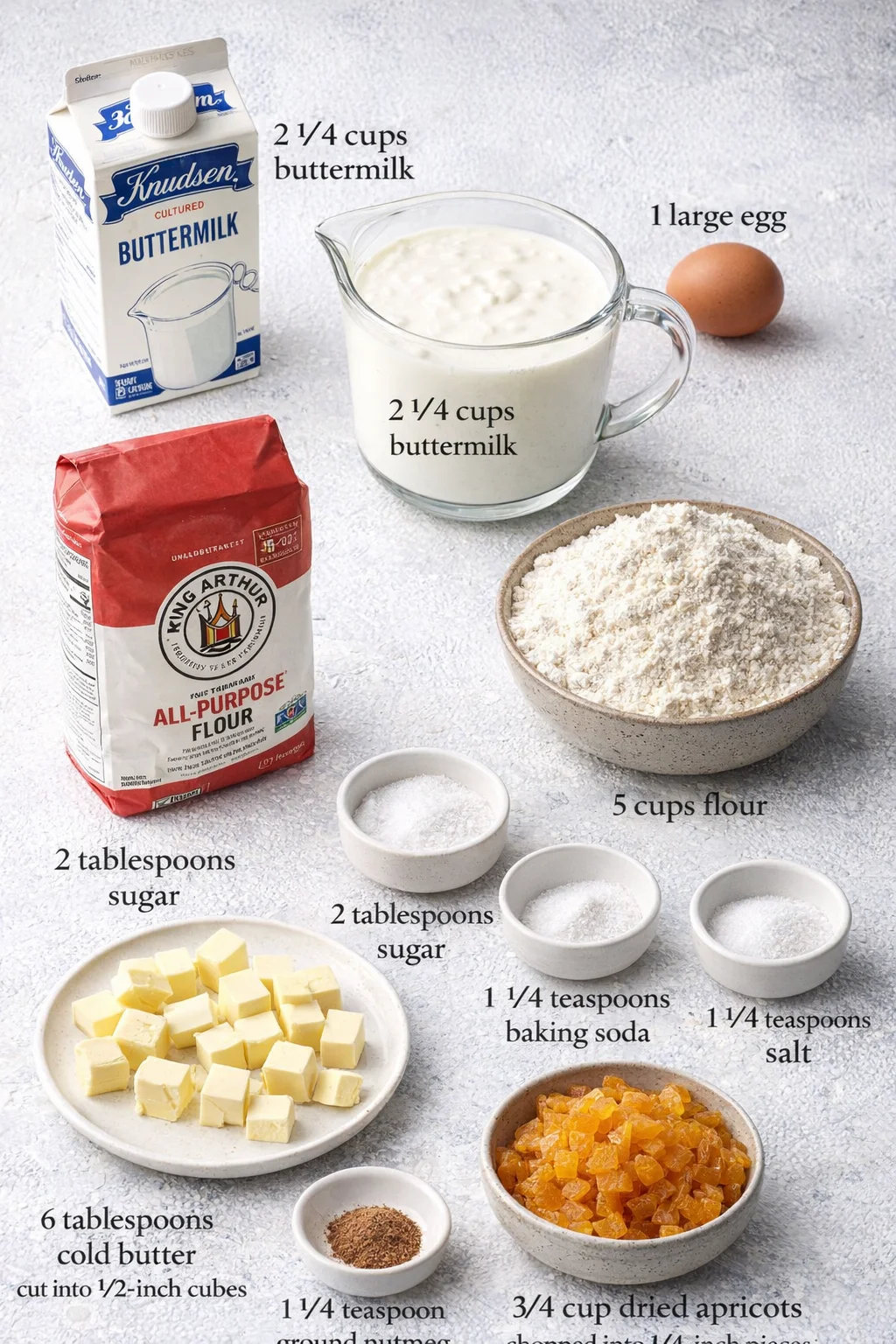
- 2 1/4 cups buttermilk (I love Knudsen because it’s nice and thick)
- 1 large egg (at room temperature, around 70°F)
- 5 cups flour (I always stick with King Arthur all-purpose flour)
- 2 tablespoons sugar
- 1 1/4 teaspoons baking soda
- 1 1/4 teaspoons salt
- 6 tablespoons cold butter (cut into 1/2-inch cubes)
- 3/4 cup dried apricots (chopped into 1/4-inch pieces)
- 1/4 teaspoon ground nutmeg
Make the Dough and Bake
- Preheat oven to 400°F and line a baking sheet with parchment paper.
- Measure 5 cups all‑purpose flour and other dry ingredients, avoiding packing the flour (spoon into cup and level).
- Dice 3/4 cup dried apricots into 1/4‑inch pieces.
-
Cut 6 tablespoons cold butter into 1/2‑inch cubes and keep chilled (return to fridge if it softens).
- Bring 1 large egg to room temperature.
- Sift or whisk together the flour, 2 tablespoons sugar, 1 1/4 teaspoons baking soda, 1 1/4 teaspoons salt, and 1/4 teaspoon ground nutmeg until evenly combined.
- Work the cold butter into the dry mixture with a pastry cutter, two knives, or fingertips until it resembles coarse crumbs; chill briefly if butter gets too warm.
-
Whisk 2 1/4 cups buttermilk and the room‑temperature egg together until combined.
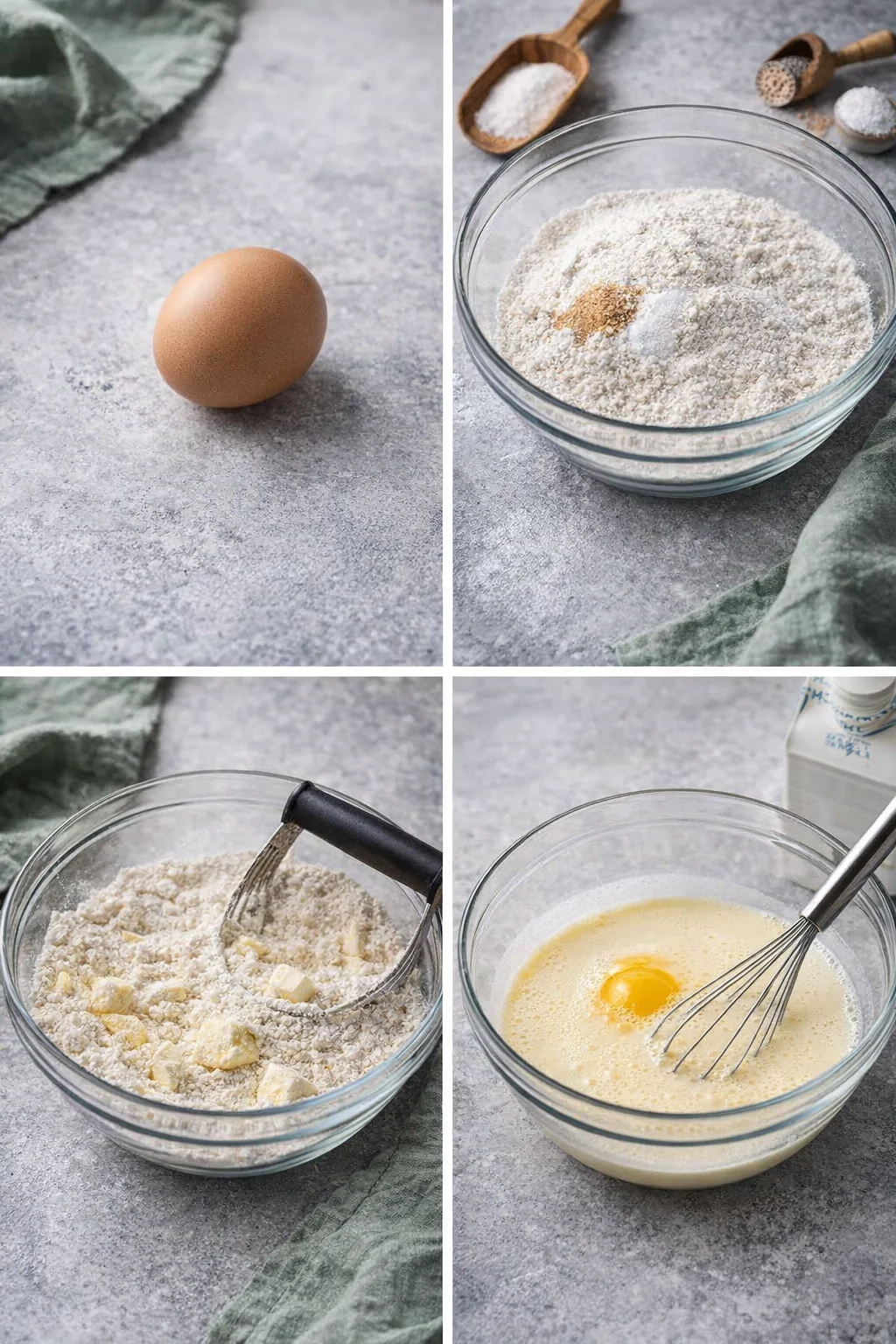
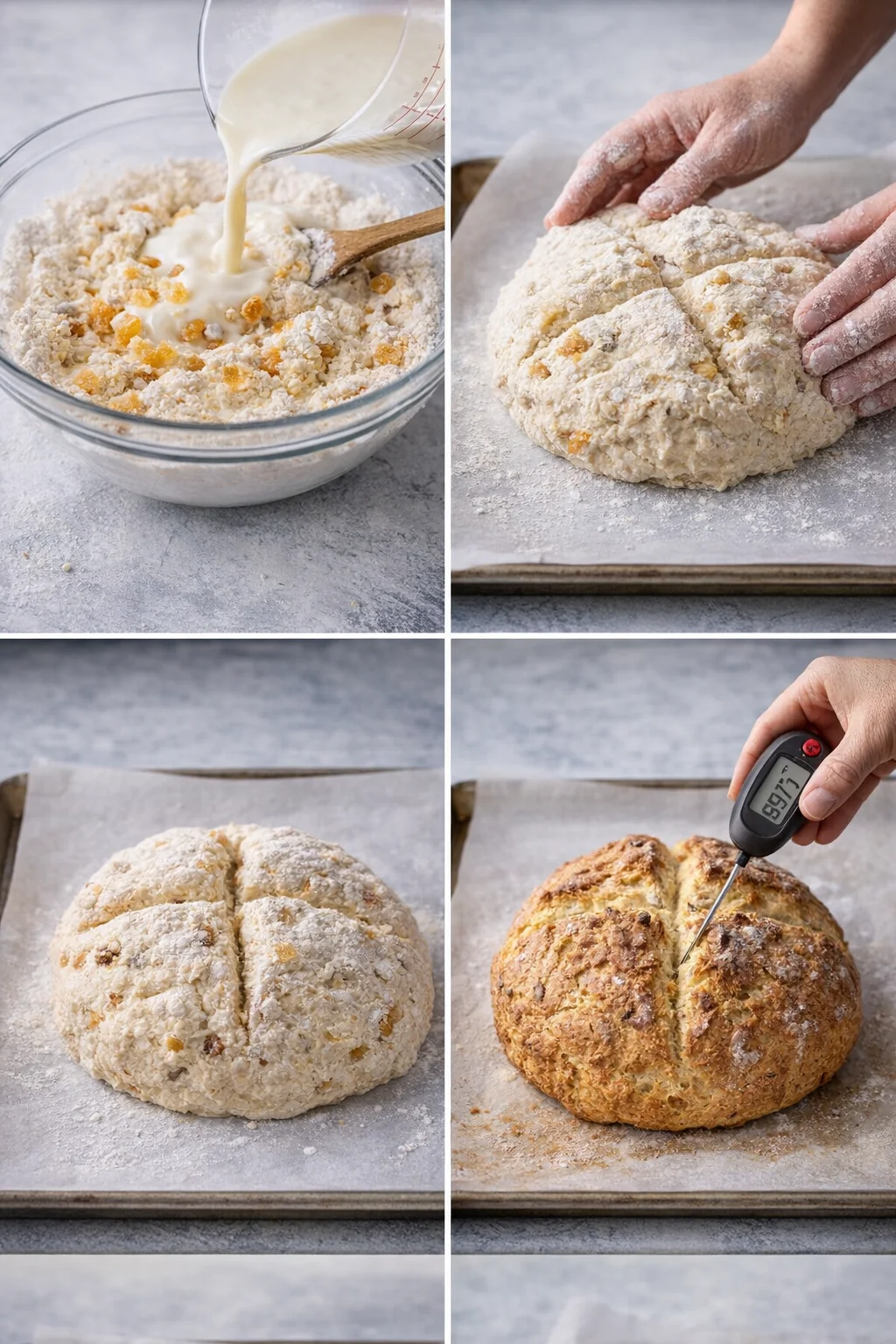
- Pour the buttermilk mixture into the flour‑butter mix, add the diced apricots, and fold gently with a wooden spoon or hands until just combined (dough should be ragged and slightly sticky).
- Turn the dough out onto the parchment‑lined sheet and, with floured hands, gently shape into a round loaf about 7–8 inches across without overworking.
- Use a sharp knife to cut a deep X about 1/4 inch deep across the top of the loaf.
-
Bake in the preheated 400°F oven for 45–55 minutes, checking at 45 minutes; bake until the top is golden, the internal temperature reads 195°F, and the loaf sounds hollow when tapped on the bottom.
-
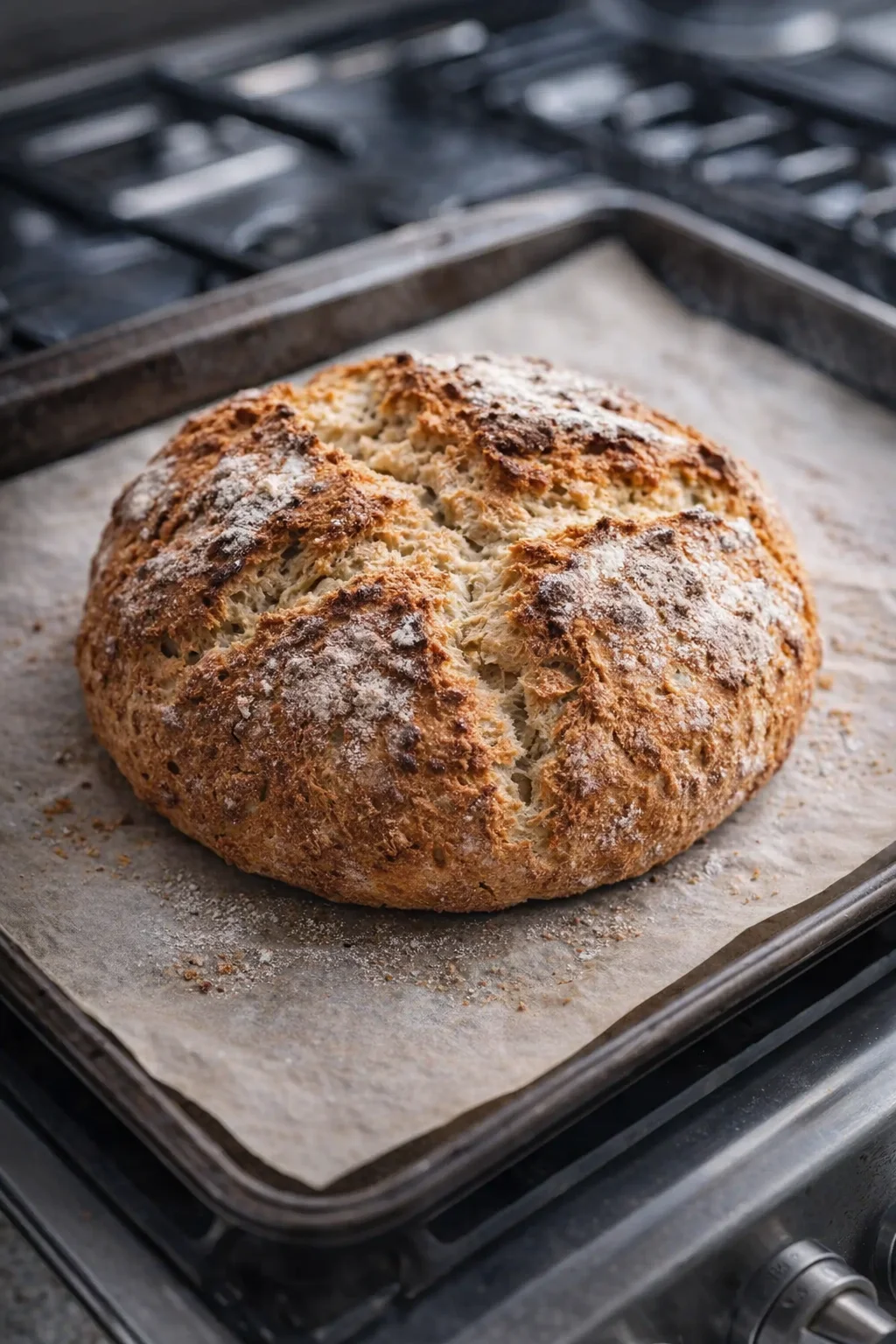
Remove the bread from the oven and cool on the baking sheet for 30–45 minutes before slicing.
High-Altitude Baking Tips
The biggest pitfall with Irish soda bread is overmixing your dough, which makes the bread tough and dense instead of tender and crumbly. Mix just enough so the dough holds together — it’s okay if it looks slightly rough.
Bread at high altitude can dry out fast, so avoid baking too long. Start checking with your thermometer at 45 minutes and pull it out once it hits 195°F in the center.
Don’t skip scoring that X on top. It’s not just for looks — scoring helps the bread expand evenly and lets steam escape, so you get a better texture inside.
Resist the urge to slice in while it’s still hot. Cooling the loaf for at least 30 minutes lets the crumb set, so your slices come out clean and the bread doesn’t fall apart or get gummy.
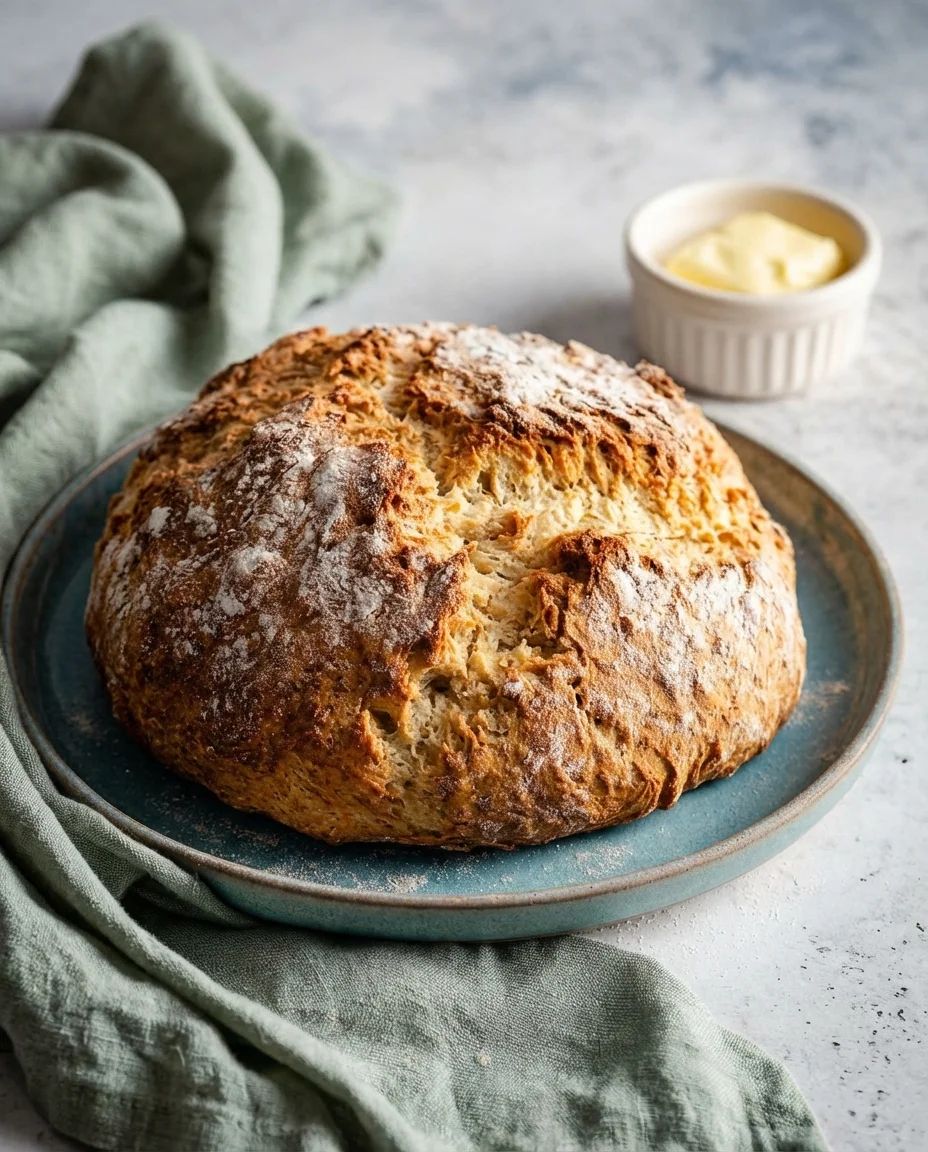
Image: homefoodkitchen.com / All Rights reserved
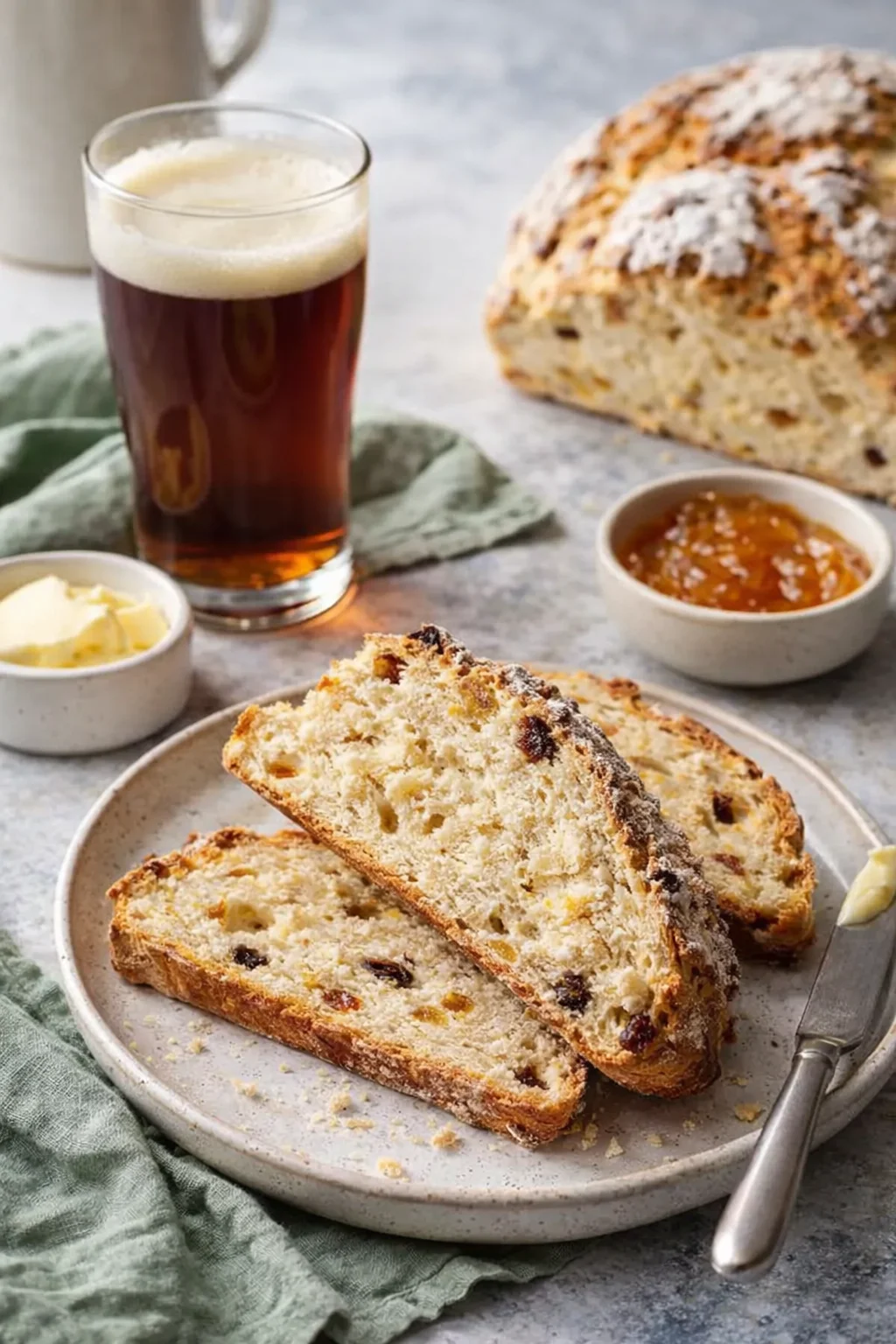
Irish soda bread is fantastic with a big bowl of soup or stew — try it with beef stew, creamy potato soup, or a simple veggie broth. The apricots add a touch of sweetness, making it a lovely choice for breakfast too. Serve it warm with butter and jam or honey. I especially love thick slices toasted alongside scrambled eggs and crispy bacon — and a side of crispy hash browns. It’s also a star on brunch tables, paired with fresh fruit, yogurt, and a pot of Irish breakfast tea — or alongside Classic French Toast.
Flavor Variations and Swaps
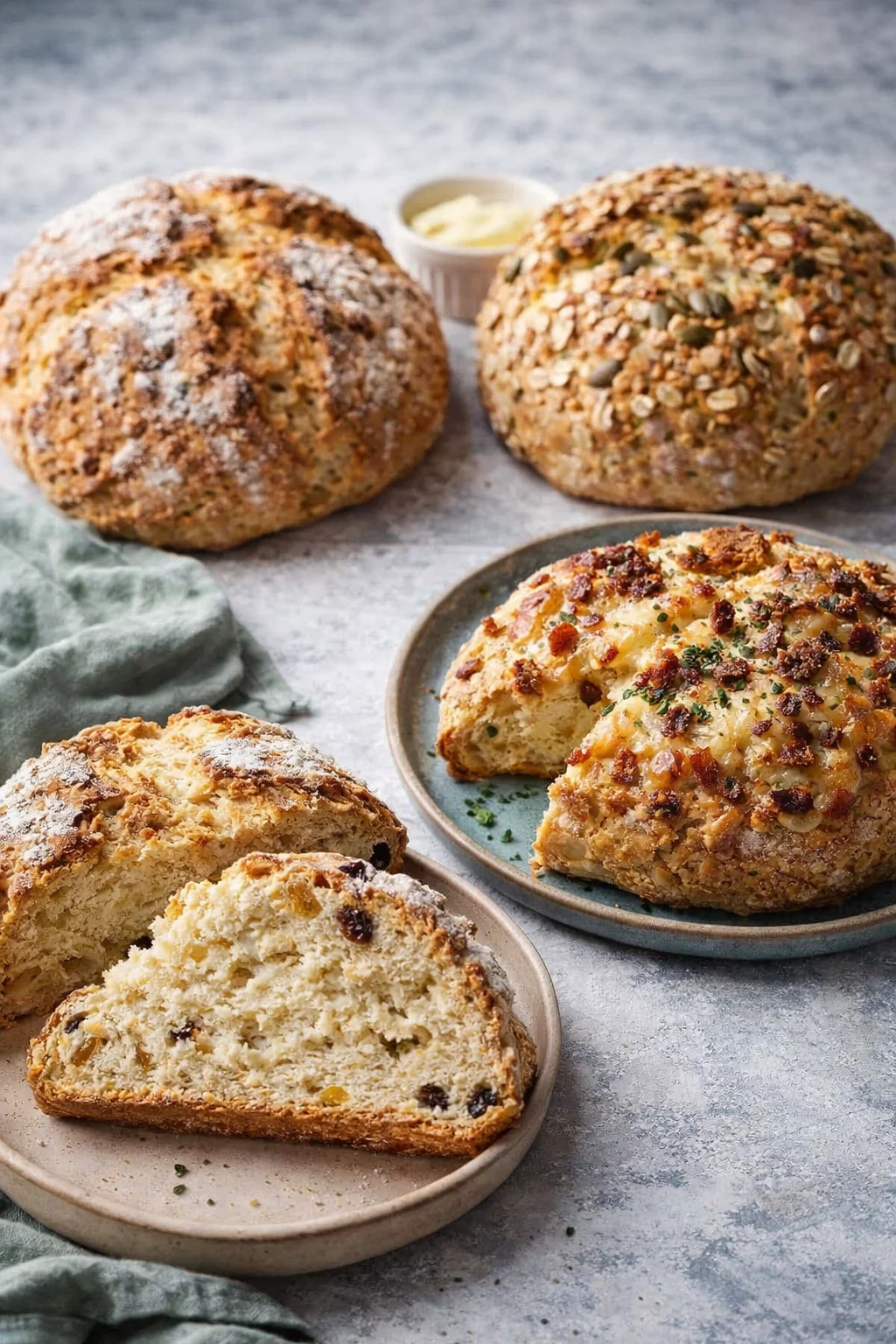
This soda bread is flexible, so here are some swaps if you need them:
- Buttermilk: No buttermilk? No worries! Stir 2 tablespoons of lemon juice or white vinegar into 2 cups of regular milk and let it sit for 5 minutes to thicken before using.
- Apricots: Swap apricots for raisins, dried cranberries, currants, or chopped dates. You can even mix different dried fruits for variety.
- Butter: Cold margarine or shortening works if you don’t have butter, but butter gives the best flavor and those flaky pockets. Just make sure it’s cold when you cut it in.
- All-purpose flour: While all-purpose gives the classic texture, you can replace up to 1 cup with whole wheat flour for a denser, nuttier loaf. Just remember it won’t be quite as soft.
- Baking soda: Don’t skip or replace the baking soda—it’s the magic that makes soda bread rise by reacting with the buttermilk.
Storing and Freezing Instructions
Store: Soda bread tastes best fresh in the first day or two, but you can keep it good for up to 4 days. Just wrap it tightly in plastic wrap or foil and store at room temperature. The crust will soften over time, but thanks to the buttermilk, the inside stays moist.
Freeze: This bread freezes beautifully if you want to make it ahead. Once fully cooled, wrap it well in plastic wrap and then foil, and freeze for up to 3 months. You can freeze the whole loaf or slice it first so you can grab exactly what you need. The same wrap-and-slice approach works for other quick breads like Grandma’s Banana Nut Bread if you’re stocking the freezer.
Serve: Thaw frozen soda bread on the counter for a few hours or overnight in the fridge. Warm slices in a 300°F oven for about 10 minutes or simply toast them to bring back that fresh-baked flavor. A little butter on warm soda bread? Always a winning idea.
Preparation Time15-30 minutesCooking Time45-55 minutesTotal Time90-130 minutesLevel of DifficultyMediumServings10 slices
Common Questions and Answers
All-purpose flour is your best friend for Irish soda bread and what most traditional recipes use. There’s no need for anything fancy — just grab your regular bag from the pantry. Some folks like swapping in a cup or two of whole wheat flour for a nuttier flavor and heartier texture, and that works great if you prefer. Just keep in mind that at high altitude, flour choice matters a bit more since the dough can dry out faster. Make sure to measure carefully and avoid packing the flour down when measuring.
Image: homefoodkitchen.com / All Rights reserved
PrintA high-altitude adapted Irish soda bread recipe, featuring dried apricots and nutmeg, using buttermilk and baking soda for leavening with cold butter to create flaky, tender bread that rises well above 5,000 feet.
- Prep Time: 15-30 minutes
- Cook Time: 45-55 minutes
- Total Time: 90-130 minutes
- Yield: 10 slices 1x
- Category: Bread
- Cuisine: Irish
Ingredients
- 5 cups all-purpose flour (King Arthur recommended)
- 2 tablespoons sugar
- 1 1/4 teaspoons baking soda
- 1 1/4 teaspoons salt
- 1/4 teaspoon ground nutmeg
- 6 tablespoons cold butter, cut into 1/2-inch cubes
- 3/4 cup dried apricots, chopped into 1/4-inch pieces
- 2 1/4 cups buttermilk, thick (e.g. Knudsen brand)
- 1 large egg, at room temperature (around 70°F)
Instructions
- Preheat the oven to 400°F (204°C) and line a baking sheet with parchment paper.
- Dice dried apricots into 1/4-inch pieces.
- Cut cold butter into 1/2-inch cubes and keep chilled.
- Allow the egg to reach room temperature.
- In a large bowl, sift together flour, sugar, baking soda, salt, and ground nutmeg until evenly combined.
- Add the cold butter cubes to the dry mixture and cut in using a pastry cutter, two knives, or fingertips until the mixture resembles coarse crumbs or sandy bits. Keep the butter cold; chill the bowl if needed.
- In a separate bowl or cup, whisk together the buttermilk and room-temperature egg until fully combined.
- Pour the buttermilk-egg mixture and chopped apricots into the flour-butter mixture.
- Gently fold with a wooden spoon or clean hands just until the dough holds together with some dry flour streaks visible. Avoid overmixing to maintain tenderness.
- Turn the dough out onto the parchment-lined baking sheet. Using floured hands, shape it gently into a round loaf about 7 to 8 inches in diameter. Do not overwork the dough.
- Score a deep X about 1/4 inch deep into the top of the loaf with a sharp knife to help it rise evenly and vent steam.
- Bake in the preheated oven for 45 to 55 minutes. Begin checking at 45 minutes for an internal temperature of 195°F and a golden brown crust. The bread should sound hollow when tapped on the bottom.
- Remove from oven and cool on the baking sheet for 30 to 45 minutes before slicing to allow the crumb to set and prevent gumminess.
- Serve at room temperature with butter, jam, or honey.
Notes
Use all-purpose flour for best results; up to 1 cup replacement with whole wheat flour is possible but results in denser texture., If no buttermilk is available, make a substitute by mixing 2 tablespoons lemon juice or white vinegar into 2 cups regular milk and let it sit for 5 minutes to thicken., Substitutes for dried apricots include raisins, dried cranberries, currants, or chopped dates, or a mix of dried fruits., Cold butter is essential to create flaky, tender pockets in the bread. Margarine or shortening can be used but flavor and texture are best with butter., Avoid overmixing the dough to prevent toughness., Check internal temperature with a thermometer to avoid overbaking, especially important at high altitude., Scoring the loaf helps with oven spring and texture., Cool loaf fully before slicing to maintain structure and crumb texture., Store wrapped at room temperature for up to 4 days; crust will soften but interior remains moist., Freeze fully cooled bread wrapped in plastic and foil for up to 3 months; thaw at room temperature or in fridge, then warm or toast before serving.
Nutrition
- Serving Size: 1 slice
- Calories: Approximately 200-220 kcal per slice (estimate, varies by exact ingredients and slice size)
- Fat: Approximately 8 grams per slice (estimate)
- Carbohydrates: Approximately 30 grams per slice (estimate)
- Protein: Approximately 5 grams per slice (estimate)
More in breakfast

Egg Muffins

Sausage Egg Casserole